The incredible Craft of Precision: The process of Capsule Filling Machines Function
In the world of pharmaceutical and nutritional supplement manufacturing, the effectiveness and precision of production processes are paramount. Among the numerous technologies available, the capsule filling machine is prominent as a key tool that streamlines the encapsulation process. These machines take raw materials and transform them into expertly filled capsules, ensuring consistent dosages and quality control. Comprehending how these machines work provides insight into the detailed art of accuracy that characterizes the industry.
Capsule filling machines come in various configurations, designed to meet different production needs. From miniature operations to massive industrial plants, these machines utilize a combination of innovative engineering and intuitive interfaces to enhance the filling process. By mechanizing the filling of gelatin or vegetarian capsules, manufacturers can not only boost productivity but also reduce human error, resulting in a more reliable end product. As we delve deeper into the mechanics and functions of capsule filling machines, we uncover the intricate balance of technology and craftsmanship that drives their operation.
Overview of Capsule Filling Equipment
Filling machines for capsules are essential tools in the medicinal and natural health industries, engineered to automate the process of filling empty capsules with powders. These devices substantially enhance production efficiency, allowing companies to meet high demand while maintaining reliable quality. By optimizing the filling operation, capsule filling machines minimize manual errors and improve the overall consistency of dosages, which is critical for effective medication and dietary supplements.
The operation of a capsule filling device typically involves several essential steps, including the splitting of capsule halves, stuffing the shell with the specific substance, and then closing the finished product. Modern versions may include features such as adjustable fill quantities, weight control systems, and auto-feeding systems to optimize production flow. These machines come in various configurations ranging from semi-automatic to fully automatic systems, accommodating different scales of production and particular business needs.
In further enhancing output, capsule filling machines also offer flexibility in the types of products that can be filled. Companies can use them for a variety of products, such as vitamins, herbal supplements, and pharmaceutical formulations. This versatility allows businesses to diversify their product lines and meet varied customer requirements, contributing to the growing popularity of capsule-based products in the industry.
Essential Parts and Their Functions
A capsule maker consists of several important elements that work cooperatively to ensure the smooth and accurate filling of capsule bodies. One of the crucial parts is the hopper, which holds the powder that will be filled into the pill shells. The hopper is designed to provide a consistent flow of the granules, preventing clogs and ensuring that each pill shell is consistently filled. This part is crucial for maintaining the quality and efficacy of the finished item.
Another vital component is the filling plate, which is equipped with multiple holes corresponding to the dimension of the capsules being used. This plate allows for exact dosage of the substance into each pill shell. As the machine operates, the filling plate moves in conjunction with the measure mechanism, which can differ based on the device model. This allows for precise measurement and transfer of the substance into the pill shells, lessening waste and variability in dosage.
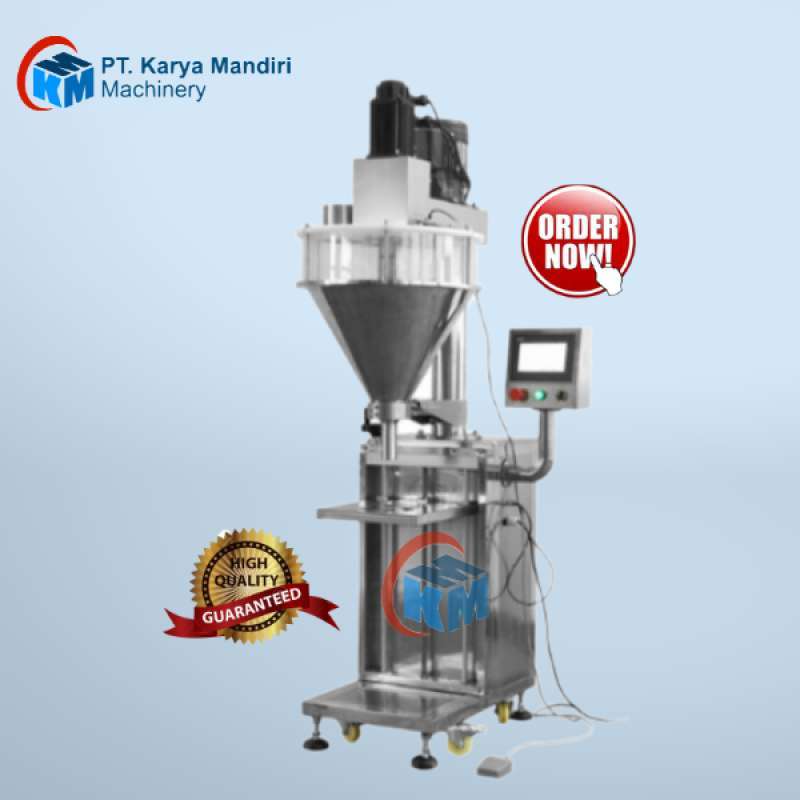
The sealing mechanism is also essential for the operation of a capsule filling machine. Once the capsules are filled, this mechanism ensures that the two halves of the capsule are firmly closed. This prevents any spillage of the contents and guarantees that the pill shells can handle handling and delivery. The sealing system changes among various devices, but its primary function remains consistent: to maintain the integrity of the filled capsules until they reach the customer.
The Capsule Filling Procedure
This capsules filling procedure starts with a preparation of empty hollow capsule, that are usually constructed from gelatinous material or vegetarian substitutes. These capsules are available in multiple sizes, and an suitable size is selected based on the capacity of the fill substance. A filling machine's chamber is loaded with the capsule, in which they are oriented and separated for filling. This initial first stage is critical for ensuring that each capsule will be filled uniformly and effectively.
Once they capsule are in position, the filling equipment releases the desired powdered substance or granulated material into the capsules bodies. This is performed with precision to ensure the correct dosage needed. Based on the specific type of filling equipment, various dispensing mechanisms such as auger systems, vibrating feeders, or dosaging systems may be employed to achieve the correct quantity. This fill material can differ widely, from medicinal powders to botanical supplements, making this flexibility of the filling equipment an important feature.
After these capsule are completed, they move into a closure phase where their caps are sealed tightly on their housings. This is frequently achieved through a combination of physical pressure and slight heat to smooth any irregularities. Capsule Filling Machine are performed during the phase to verify that each capsule meets set required criteria. Once completed, the capsule are gathered for packaging process, completing the capsule filling process with great effectiveness and accuracy.